Why an Apple Beats Apple Juice Every Time
Most people know they should choose whole foods over processed ones, but few understand the scientific reason why. The secret lies in something called the food matrix, a concept nutrition researchers are now using to explain how the structure of a food changes everything from digestion to blood sugar to gut health. And nothing illustrates this better than a simple comparison: a whole apple versus a glass of apple juice.
Let’s break down the emerging science behind the food matrix and reveal why an intact piece of fruit outperforms even the most natural juices every single time.
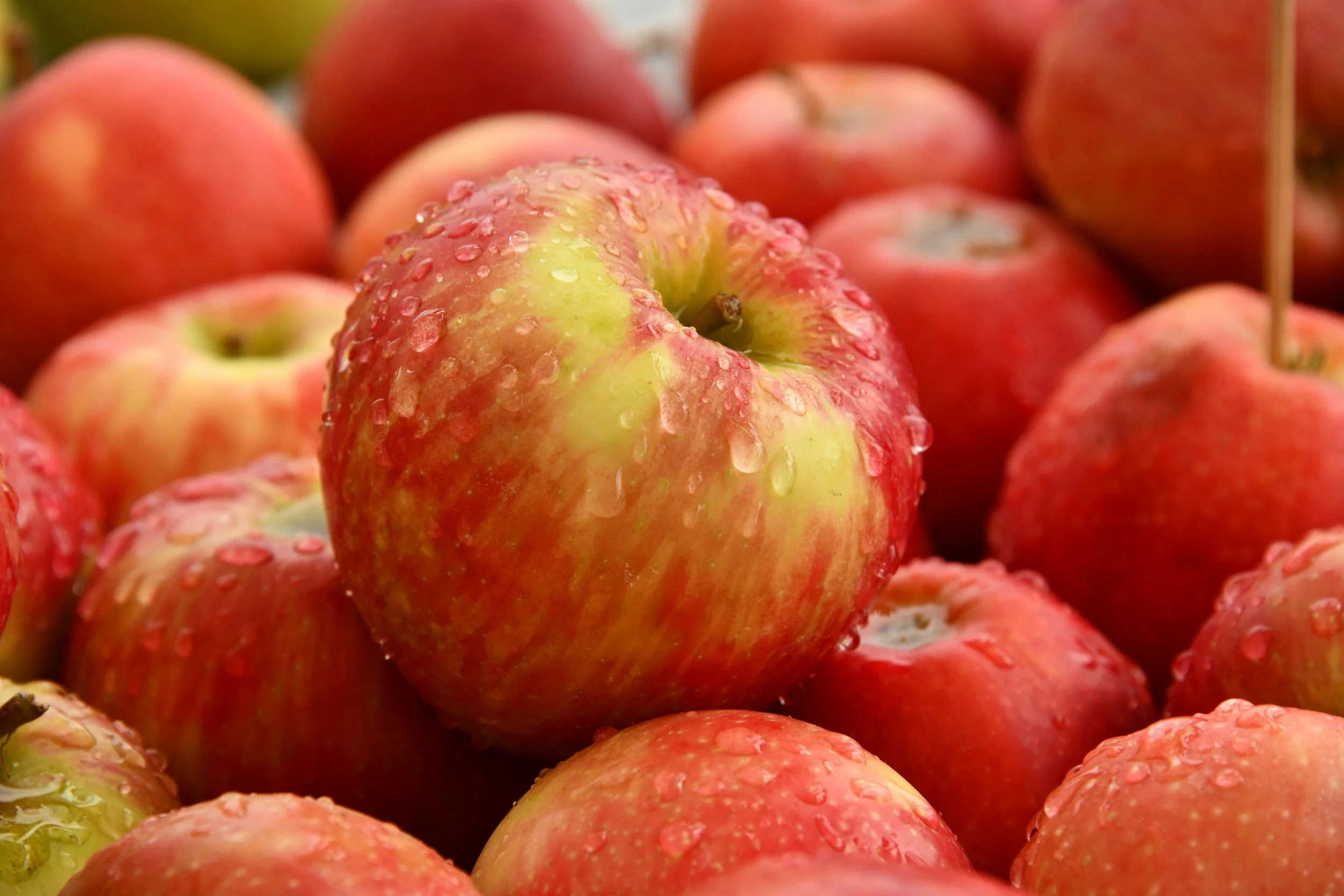
Whole, intact fruit is the better choice every time.
What Is the Food Matrix?
The food matrix refers to the physical structure of a food — the way its fibers, cells, water, starches, and nutrients are naturally arranged. This structure influences:
How fast you digest a food
How much of its nutrients you absorb
How your blood sugar responds
How full or satisfied you feel
How your gut microbiome reacts
When food is highly processed or juiced, its matrix is destroyed. When you eat it whole, the matrix stays intact, and your body responds very differently.
Why Apples Have an Edge: The Matrix in Action
1. Fiber Isn’t Just Fiber, It’s Architecture
A whole apple contains soluble and insoluble fibers woven into a network that slows down digestion. When you bite into an apple, your gut has to work to break down these fibers. That slow process:
Moderates the release of natural sugars
Keeps your blood glucose stable
Feeds beneficial gut bacteria
Increases fullness
Apple juice, on the other hand, contains almost no intact fiber. Even “cold-pressed” varieties lose the complex scaffolding that makes fruit so metabolically friendly.
Result: A blood sugar spike that behaves more like soda than whole fruit.
2. Apple’s Intact Cells Control Sugar Absorption
Inside every apple are millions of plant cells holding tiny packets of sugar, polyphenols, and nutrients.
When you eat an apple:
Only some of these cells rupture from chewing.
Most sugars stay locked inside until they reach the gut.
Your body releases and absorbs these nutrients slowly.
Juicing ruptures nearly every cell. All sugars are instantly available, which is why fruit juice hits your bloodstream fast.
3. Polyphenols Need the Matrix to Work Properly
Apples are rich in polyphenols, compounds that:
Reduce inflammation
Support vascular health
Improve blood sugar control
Research shows these antioxidants are more effective when delivered in their natural matrix, bound to fiber and plant structures.
In juice, polyphenols degrade faster and are absorbed differently, reducing their health impact.
4. Whole Foods Trigger Satiety Hormones
A whole apple stimulates gut stretch receptors, digestive hormones, and chewing-driven feedback signals. All of these cues tell the brain: “You’ve eaten something substantial.”
Juice bypasses these mechanisms. It takes less than 30 seconds to drink what would take minutes to chew, and the brain doesn’t get the same fullness message.
This is why people can easily drink 3-4 apples’ worth of juice without feeling full, but would rarely eat that many apples.
5. The Food Matrix Protects Against Overconsumption
The matrix acts as a natural “speed bump,” preventing you from taking in large amounts of sugar quickly.
When the matrix is destroyed:
Calories become easier to overconsume
Sugars enter the bloodstream rapidly
Insulin spikes
Fat storage increases
This is one reason frequent fruit juice consumption is linked in studies to a higher risk of type 2 diabetes, despite being a “natural" product.

Skip the juice and opt for the fruit.
What This Means for Everyday Eating
Choosing intact whole foods — fruits, vegetables, grains, legumes — preserves their food matrix and leverages all the biological advantages nature built in.
The apple vs. apple juice comparison applies across the board:
Oatmeal > instant oat packets
Whole oranges > orange juice
Whole grains > refined flours
Legumes > protein isolates
Nuts and seeds > nut milks
The closer the food is to its original structure, the better your body handles it.
Bottom Line
An apple beats apple juice every time because the food matrix matters, far more than most people realize. It controls digestion, blood sugar, fullness, nutrient absorption, and even gut health.
As nutrition science continues to evolve, one message is becoming crystal clear: The structure of food is as important as the nutrients it contains.
And when it comes to metabolic health and whole-body wellness, eating a food in its original form is one of the simplest and most powerful choices you can make.